
Origins and Evolution
Parametric design builds on experiments by architects like Frank Gehry in the 1990s, using CATIA to design complex structures such as the Guggenheim Museum Bilbao. With the rise of Grasshopper and Rhino post-2010, parametric tools became mainstream, enabling designers to generate thousands of design variations and optimize for daylight, airflow, structural load, and occupant comfort. Zaha Hadid Architects, for example, now employs parametric workflows in over 60% of projects, integrating both architecture and interiors with precision.

Core Principles of Parametric Design
Algorithmic Generation
Parametric interiors are driven by data. Changing a single variable, such as daylight or occupancy, can instantly update the entire design. This allows spaces to be optimized for comfort, energy efficiency, and visual impact.
Fluid Spatial Flow
Interior walls, ceilings, and partitions can be designed with slight undulations or sweeping curves, creating organic circulation patterns. This fluidity encourages longer dwell times in public interiors and enhances spatial perception in residential environments.
Material and Performance Optimization
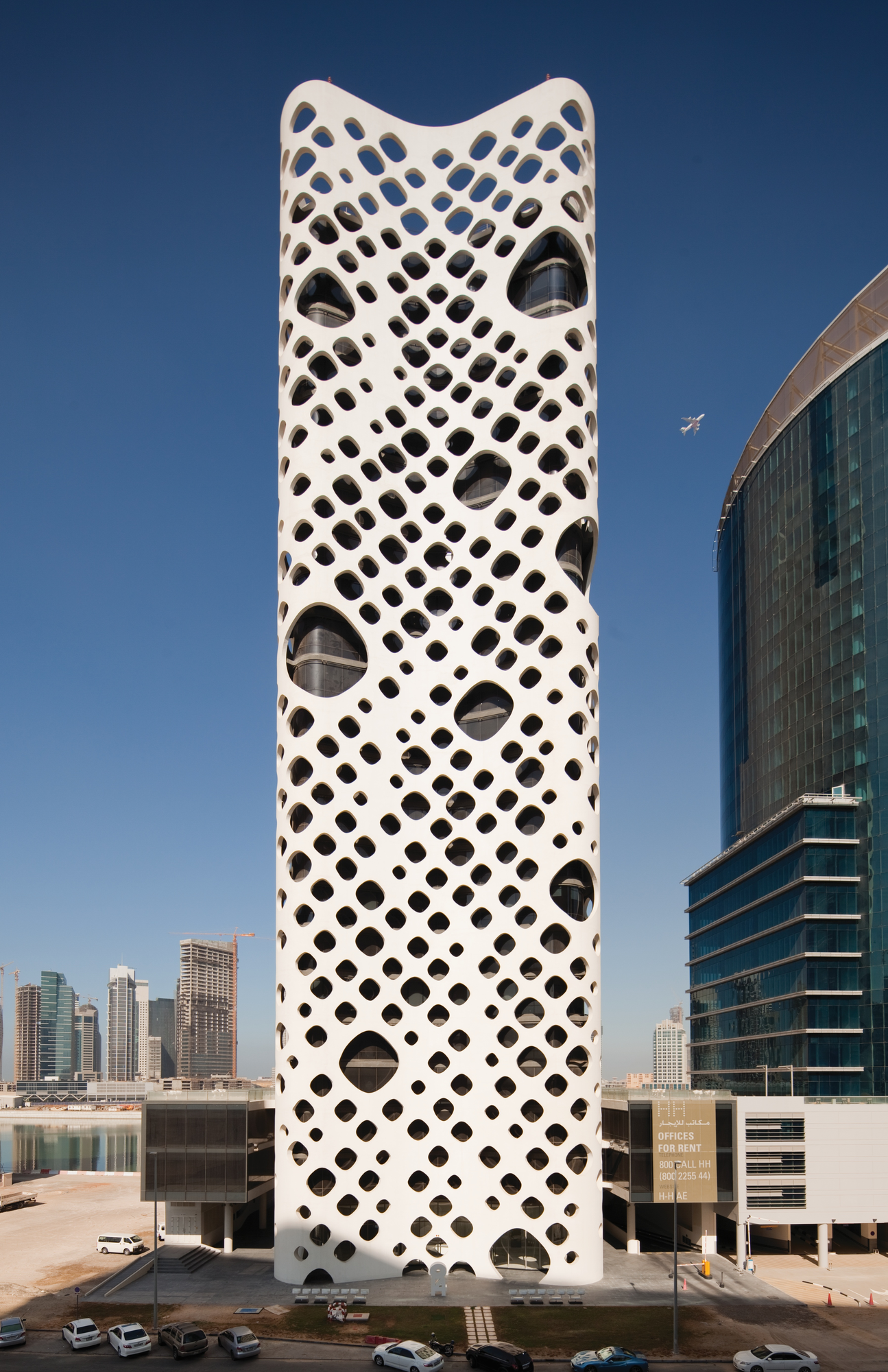
Parametric modeling allows precise material usage, reducing waste by up to 30%. Ultra-high-performance concrete, digital knit facades, and 3D-printed joinery enable unique interiors where every panel, screen, and surface is performance-optimized.
Adaptive Envelopes and Lighting
Facades, ceilings, and floors can adjust dynamically to environmental conditions. Daylight-responsive panels reduce cooling loads by 28%, and algorithmic lighting enhances ambiance and energy efficiency simultaneously.

Applications in Contemporary Interior Design
Parametric design principles are increasingly applied in luxury villas, high-end apartments, and commercial interiors. In Chittagong and across Bangladesh, designers are using parametric shading, fluid layouts, and adaptive partitions to optimize natural light, airflow, and occupant comfort while creating visually stunning interiors.
Residential Interiors: Custom kitchens, modular partitions, and adaptive furniture systems respond to client lifestyle and environmental conditions.
Commercial Spaces: Office layouts and hospitality interiors benefit from optimized circulation, daylighting, and energy-efficient design.
Smart Integration: IoT sensors can now be embedded in parametric models, allowing interiors to adapt automatically to usage patterns.
Sustainability Benefits
Parametric design significantly reduces material waste, optimizes energy performance, and enhances lifecycle sustainability. With careful planning, parametric interiors achieve higher LEED certification rates and reduce embodied carbon by up to 25%, aligning with modern sustainable architecture trends.
Implementation Roadmap for Firms
- Parameter Definition: Identify environmental, spatial, and functional inputs.
- Generative Exploration: Produce multiple iterations to refine aesthetics and performance.
- Performance Validation: Simulate daylight, airflow, and energy loads for each scenario.
- Fabrication Integration: Export parametric models for CNC, 3D-printing, or prefabrication with high accuracy.