Classical Influence on Modern Design
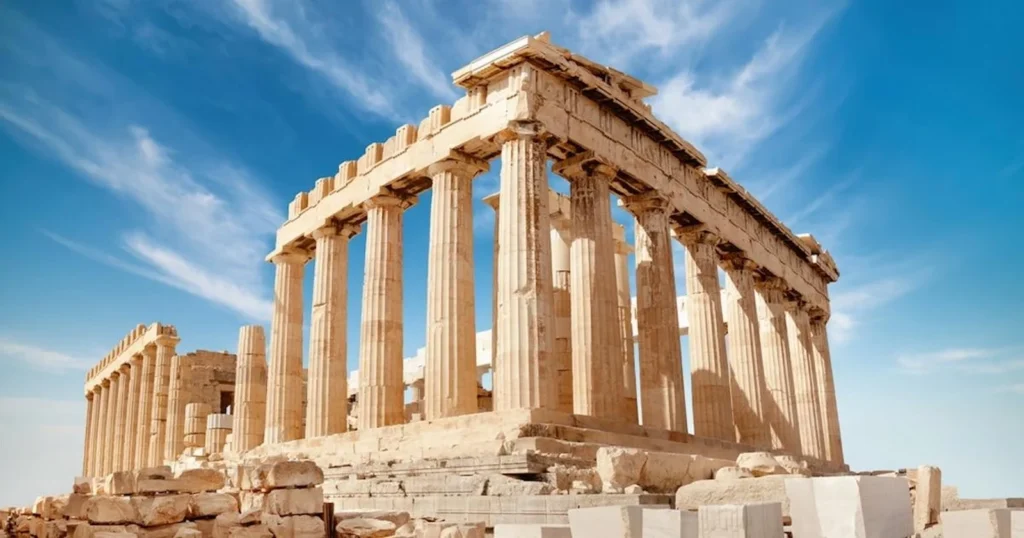
The grandeur of Classical Greek and Roman architecture still resonates in today’s interiors. Ancient Greece and Rome established standardized architectural rules—most famously the Doric, Ionic, and Corinthian column orders—that have influenced builders ever since. These formal orders, along with features like round arches, soaring domes, and elaborate wall paintings, defined monumental public spaces such as temples, forums, and basilicas in antiquity.
Interior designers today continue to draw on these time-honored motifs for a sense of elegance and durability. Even clients of an interior design firm in chittagong may request classical touches: crisp, fluted columns, archways between rooms, coffered ceilings, or mural-style frescoes that echo the grand villas of the past. When well executed, such elements lend luxury and historical depth to homes, offices, and commercial spaces.
Greek and Roman Columns (Doric, Ionic, Corinthian)
Greek Doric columns convey strength through simplicity. The Doric order is the oldest and simplest of the Classical column styles. Doric columns are stout and sturdy, with fluted shafts that sit directly on the floor without a base and simple, unadorned capitals. Their entablatures feature triglyphs and metopes, giving an impression of structural stability and order. The Parthenon in Athens stands as a timeless example of this architectural discipline.
In modern design, Doric-inspired columns are often used in exterior porticos or grand interior lobbies to suggest permanence and reliability. A row of simple fluted pillars along a commercial building façade can recall Doric heritage while communicating trust and authority—qualities valued in corporate offices, banks, and institutional buildings.
By contrast, Ionic columns appear more graceful and slender. Originating in ancient Ionia, the Ionic order is characterized by a distinct base, elegant proportions, and the iconic scroll-shaped volutes at the capital. These elements introduced a sense of refinement that made Ionic columns suitable for libraries, academies, and ceremonial spaces.
In contemporary interiors, Ionic-inspired details often appear as decorative half-columns, pilasters, or carved moldings. A well-designed staircase, reception area, or private study can benefit from Ionic detailing, offering visual lightness without overwhelming the space. In hospitality or retail interiors, this style subtly communicates sophistication and cultural awareness.
Corinthian columns are the most ornate of the three Classical orders. Distinguished by elaborately carved acanthus leaves and layered ornamentation, the Corinthian order became especially popular during the Roman period. Roman architects used it extensively to express wealth, grandeur, and artistic excellence.
Today, Corinthian influence is often seen in ceiling cornices, decorative capitals, and finely detailed joinery rather than full structural columns. In premium residential interiors or upscale commercial environments, Corinthian motifs can elevate the overall aesthetic without appearing excessive. An interior design firm in chittagong working on high-end villas or luxury offices may incorporate such detailing selectively to create a refined, timeless atmosphere.
Arches and Their Architectural Importance
The arch stands as one of the most important contributions of Roman engineering. While Greek architecture relied primarily on post-and-lintel construction, Roman builders perfected the true arch by using wedge-shaped stones and a central keystone. This innovation allowed structures to span wider openings while distributing weight efficiently.
Arches enabled the development of aqueducts, bridges, vaults, and expansive public buildings. Beyond structural performance, arches introduced a strong visual rhythm that shaped interior and exterior spaces alike. Roman triumphal arches, for example, served purely symbolic purposes, celebrating military victories and civic pride.
In modern interior design, arches are valued for their ability to soften spatial transitions. An arched doorway between living and dining areas creates continuity while maintaining distinction. Arched niches, window openings, and recessed wall features introduce depth and elegance without excessive ornamentation.
Contemporary interpretations often simplify the form, using clean plaster finishes or subtle curves to reference classical design. Even in modern apartments or office spaces, arches provide a sense of openness and architectural maturity that square openings often lack.
Domes and Spatial Grandeur
Roman domes represent a remarkable fusion of engineering and aesthetics. The development of concrete allowed Roman builders to create vast, uninterrupted interior spaces capped by domes that conveyed unity and grandeur. These structures were designed not only for function but also to inspire awe.
Domes symbolized cosmic order, spiritual aspiration, and imperial power. Standing beneath a dome creates a unique spatial experience—one that feels expansive, balanced, and centered. This architectural language influenced sacred, civic, and ceremonial buildings for centuries.
In contemporary design, full masonry domes are less common, but their influence remains strong. Coffered ceilings, vaulted forms, circular skylights, and curved ceiling planes all draw inspiration from classical domes. These elements are frequently adapted using lightweight materials to achieve visual impact without structural complexity.
In modern homes, a domed ceiling in an entry foyer or formal sitting area introduces a sense of arrival and elegance. In commercial settings such as hotels or corporate headquarters, dome-inspired ceilings enhance spatial hierarchy and create memorable interior environments.
Frescoed Interiors and Wall Artistry
Fresco painting represents one of the most refined interior art forms of the ancient world. Created by applying pigments onto wet plaster, frescoes became an integral part of architectural surfaces, offering durability and visual richness. Roman interiors were renowned for their elaborate frescoes depicting mythology, landscapes, and architectural illusions.
These painted interiors transformed walls into storytelling surfaces, reflecting social status, cultural values, and artistic taste. Frescoes blurred the boundary between architecture and art, making interior spaces immersive and expressive.
In modern interiors, the essence of frescoed walls is often reinterpreted rather than directly replicated. Custom murals, textured plaster finishes, and hand-painted feature walls carry forward the spirit of this tradition. Designers may draw inspiration from classical color palettes, narrative composition, or spatial illusion to create contemporary wall art.
In boutique hotels, cultural centers, or heritage-inspired residences, fresco-style artwork adds depth and character. When thoughtfully executed, such walls serve as focal points that enrich the architectural narrative without overpowering the space.
Classical Ideas in Contemporary Interior and Architectural Design
Classical Greek and Roman elements are rarely copied directly in modern projects. Instead, designers extract their proportions, principles, and symbolism. Columns become abstracted vertical lines. Arches are simplified into gentle curves. Domes inspire layered ceilings and skylights. Frescoes inform material textures and artistic expressions.
These adaptations allow classical design to coexist with modern lifestyles, materials, and construction techniques. In Bangladesh, there is also a cultural familiarity with monumental forms and decorative craftsmanship, which makes classical references feel surprisingly relevant.
A contemporary home might feature restrained classical detailing to achieve elegance and balance. A commercial project may adopt arches or column rhythms to project authority and permanence. In both cases, the goal is not nostalgia but timelessness.
When used with sensitivity and skill, classical design principles enrich modern interiors. They provide visual harmony, cultural depth, and architectural clarity. For architects, designers, and property owners seeking enduring quality, the lessons of Greek and Roman design remain as valuable today as they were centuries ago.