
How Medieval Innovations Transformed Sacred Space with Light, Height, and Structure
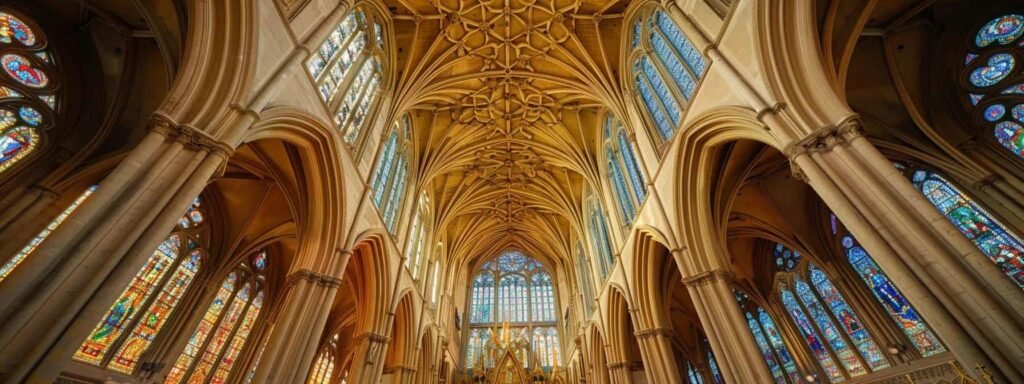
The Gothic era (roughly 12th–16th century Europe) revolutionized sacred architecture by introducing structural and aesthetic innovations that made cathedrals taller, lighter, and more inspiring than ever before. Prior Romanesque churches were massive and dim, with heavy walls and small windows. Gothic architects sought a different effect; soaring space and brilliant light; by harnessing new engineering ideas. Their innovations, including pointed arches, ribbed vaults, flying buttresses, and extensive stained glass, redistributed structural forces so walls could be thinner and pierced by windows. The result was a sacred interior filled with height and color, intended to lift the spirit skyward.
In Bangladesh’s own architectural heritage, echoes of this approach appear in colonial and modern buildings. Many British-era public structures and churches in Dhaka and Chittagong blend Gothic Revival details with local styles. Even today, designers here admire how medieval architects integrated structure and ornament. As an interior design firm in chittagong, we often draw inspiration from Gothic principles—using vertical lines, natural light, and crafted details, to create spaces that feel grand yet human-scaled. In this blog, we explore key Gothic breakthroughs; flying buttresses, vaulted ceilings, and stained glass, and their lasting influence on architecture and interior design.
The Birth of Gothic Architecture
Gothic architecture emerged in mid-12th-century France as Europe’s faith and prosperity grew. Early Gothic churches were driven by a desire to express divine presence through space and light. Religious leaders envisioned architecture that would embody spiritual transcendence, creating buildings that felt weightless and luminous rather than heavy and earthbound.
This movement developed during a period of economic growth and urban competition, when cities invested heavily in cathedral construction as symbols of civic pride. Large-scale building projects drew together masons, artisans, sculptors, and laborers over several generations. Unlike earlier Romanesque structures, Gothic churches sought verticality and openness.
The pointed arch, adopted and refined during this era, allowed structures to rise higher while exerting less lateral pressure on walls. Ribbed vaults directed the ceiling load toward specific supports rather than spreading it across massive walls. Flying buttresses carried remaining structural forces outward. Together, these innovations replaced thick masonry with skeletal frameworks that supported height, light, and openness. Gothic architecture thus represented a decisive shift—from fortress-like religious buildings to light-filled monuments of faith and engineering confidence.
Flying Buttresses: Structural Freedom and Verticality
One of the most recognizable innovations of Gothic architecture is the flying buttress. This external structural element consists of an arched support that transfers the lateral forces of a vaulted ceiling away from the interior walls to a freestanding pier. Unlike earlier buttresses embedded into walls, flying buttresses are visually expressive and structurally efficient.
Their primary function was to counteract the outward thrust generated by high stone vaults. By relocating these forces outside the building, architects were free to reduce wall thickness and increase building height. This shift dramatically transformed cathedral design, allowing walls to be opened up with large windows rather than remaining solid masses of stone.
The visual impact of flying buttresses is equally significant. They create rhythmic exterior silhouettes, often enhanced with pinnacles and sculptural elements that serve both structural and decorative purposes. Internally, their presence enables expansive clerestory windows that flood the nave with daylight. The interior becomes brighter, taller, and more spacious, reinforcing the spiritual ambitions of Gothic design.
Today, while flying buttresses are rarely required structurally, their logic remains influential. Modern architecture uses external structural systems, exposed frames, and detached supports to achieve open interiors. In contemporary design practice, the Gothic lesson is clear: freeing walls from structural burden unlocks light, flexibility, and spatial drama.
Vaulted Cathedrals and Ceiling Innovations
The ceilings of Gothic cathedrals reveal some of the era’s most sophisticated structural thinking. Ribbed vaults replaced heavy barrel and groin vaults by separating structural ribs from infill panels. The ribs carried the load efficiently to columns below, allowing the panels between them to be thinner and lighter.
Pointed arches further enhanced this system. Unlike semicircular arches, pointed arches concentrate forces more vertically, reducing lateral stress on walls. This combination of ribbed vaults and pointed arches enabled taller ceilings and more complex spatial arrangements while maintaining stability.
Internally, vaulted ceilings create a powerful sense of vertical movement. The ribs rise from columns and converge overhead, guiding the eye upward. This vertical rhythm reinforces the symbolic ascent toward the divine. Architectural layering—arcade, triforium, and clerestory—adds depth and articulation to the interior elevation.
Beyond visual impact, vaulted ceilings also influenced acoustics. Tall, open volumes allowed sound to resonate, supporting chanting, music, and spoken liturgy. These spaces were designed to be experienced emotionally as much as physically, with height and reverberation contributing to a sense of awe and solemnity.
Modern architecture often revisits these ideas through high ceilings, exposed structural frameworks, and layered elevations. Even simplified vaulted forms can transform contemporary interiors, lending a sense of openness and dignity that echoes Gothic precedents.
Stained Glass: Light, Color, and Symbolism
Stained glass is perhaps the most poetic element of Gothic interiors. Enabled by thinner walls and structural supports, large stained-glass windows became integral to cathedral design. These windows transformed daylight into colored illumination, bathing interiors in shifting hues throughout the day.
Stained glass served both aesthetic and educational purposes. In an era when literacy was limited, windows depicted religious narratives, saints, and moral lessons. Light itself was viewed as a divine presence, and colored glass became a medium through which spiritual stories were told.
The craftsmanship involved was remarkable. Artisans selected richly colored glass, assembled intricate compositions, and painted fine details that were fused permanently through firing. The lead framework holding the glass became part of the artistic design, adding linear rhythm and structure.
The emotional effect of stained glass remains powerful today. Contemporary architects often reinterpret this tradition through patterned glazing, translucent screens, and filtered daylight. In Bangladesh, modern religious and cultural buildings sometimes adopt colored glass or perforated screens to soften sunlight while creating symbolic and atmospheric interiors.
Even residential and commercial interiors can benefit from this principle. Light filtered through texture, color, or pattern adds depth and character, reminding us of the Gothic mastery of luminous space.
Interior Experience of Gothic Cathedrals
The interior of a Gothic cathedral is defined by scale, proportion, and movement. Entering the nave, one experiences a strong longitudinal axis that leads toward the altar. Columns rise in clusters, emphasizing vertical momentum, while arches frame views along the length of the space.
Walls are articulated rather than solid, divided into layered zones that combine structure and ornament. Light from above animates the space, creating contrast between shadowed aisles and illuminated central areas. The result is a dynamic interplay between solidity and lightness.
Ornamentation enhances rather than obscures structure. Capitals, tracery, sculptural details, and carved stone elements are integrated into the architectural framework. Every decorative feature supports the overall spatial narrative.
This orchestration of space leaves a lasting impression. Visitors often describe a sense of calm, humility, and elevation when moving through Gothic interiors. Modern designers can learn from this approach by carefully balancing scale, light, and structural clarity to shape meaningful interior experiences.
Materials, Craftsmanship, and Construction Techniques
Gothic architecture relied heavily on stone masonry, requiring extensive skill and organization. Stones were carefully quarried, shaped, and assembled using precise techniques. Each piece played a role in the overall structural system, demanding collaboration among craftsmen.
Master masons oversaw complex geometries, ensuring ribs, arches, and buttresses aligned correctly. Carvers added ornamental details that reflected both religious symbolism and artistic expression. These elements were not superficial; they were carved directly into structural stone, making decoration inseparable from construction.
Durability was a central concern. Gothic cathedrals were designed to endure for centuries, and many still stand today. This longevity reflects a philosophy of building that values quality, patience, and craftsmanship.
In Bangladesh, similar values are evident in historic structures that combine robust materials with refined detailing. Modern projects that prioritize workmanship and material integrity continue this tradition, producing architecture that ages gracefully over time.
Influence on Modern Architecture and Interior Design
The influence of Gothic architecture extends far beyond medieval Europe. Its emphasis on verticality, light, and expressive structure has shaped architectural thought for centuries. Even modern skyscrapers reflect Gothic ambition through their upward reach and articulated façades.
In interior design, Gothic principles are often reinterpreted rather than copied. High ceilings, vertical window proportions, layered wall treatments, and dramatic light effects draw directly from medieval precedents. The goal is not imitation but adaptation—capturing the emotional and spatial qualities of Gothic design in contemporary contexts.
Bangladesh offers meaningful parallels. Modern civic buildings, memorials, and religious structures often emphasize light penetration, geometric clarity, and monumental scale. These qualities resonate strongly with Gothic ideals, even when expressed through modern materials and forms.
An interior design firm in chittagong may apply these lessons through thoughtful daylighting, carefully proportioned spaces, and expressive structural elements that elevate everyday environments. Gothic architecture reminds us that innovation and beauty are strongest when structure and artistry work together.
Conclusion
Gothic architecture stands as one of history’s most profound achievements, uniting engineering ingenuity with spiritual expression. Flying buttresses, vaulted ceilings, and stained glass transformed stone into light-filled structures that continue to inspire awe.
The relevance of Gothic design lies not in its ornament alone, but in its principles—vertical ambition, structural clarity, masterful use of light, and respect for craftsmanship. These values remain essential to meaningful architecture and interior design today.
For modern architects and designers in Bangladesh and beyond, Gothic innovation offers enduring lessons. By embracing its balance of strength and elegance, contemporary spaces can achieve depth, character, and timeless appeal—proving that medieval ideas still have a powerful role in shaping modern design.