
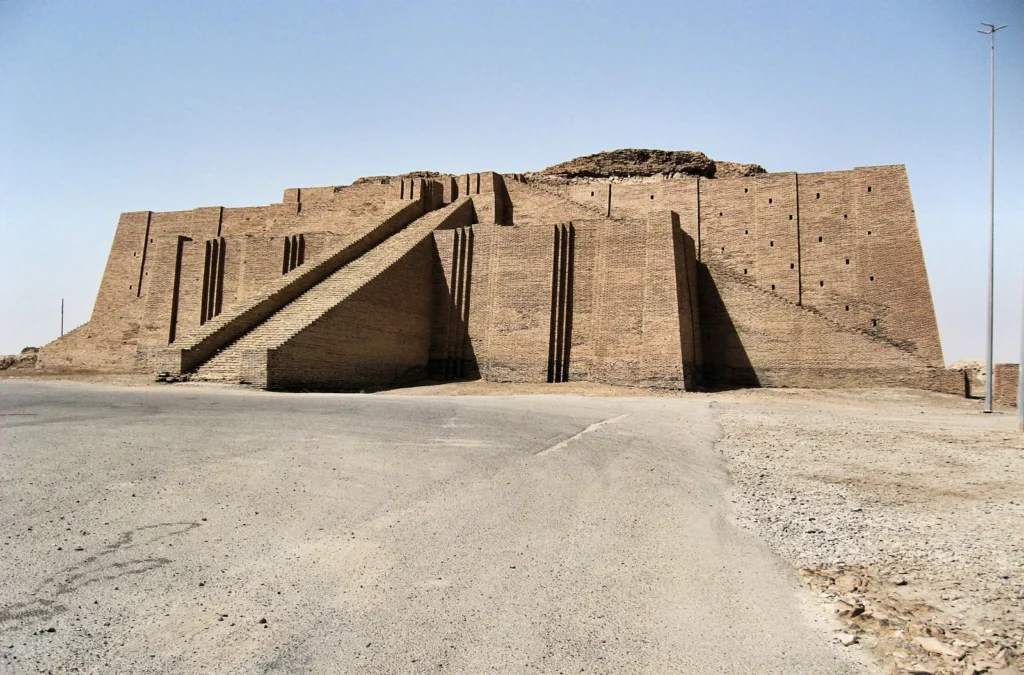
Ancient Egyptian and Mesopotamian Architecture: Pyramids, Ziggurats, and Early Interior Expression
From c. 900 BCE to 476 CE, Classical Greek and Roman architecture revolutionized spatial design through proportional harmony, engineering innovation, and richly decorated interiors. These civilizations established enduring aesthetic principles that continue to inspire modern luxury interiors. For interior architecture firms today, understanding these historical foundations offers insights into scale, hierarchy, storytelling, and materiality in premium residential and commercial projects.
1. Introduction
The Classical era marked a transition from monumental tombs to harmonious temples, civic hubs, and domestic spaces, where human scale and divine ideals guided design. Innovations such as architectural orders, arches, and domes enabled both structural and aesthetic sophistication, while frescoed interiors communicated mythology, power, and narrative.
Modern interior designers draw directly from these principles: columned lobbies, arched niches, and mural-inspired feature walls in high-end residences or commercial projects echo Classical spatial thinking.
2. Origins of Greek Architecture
Greek architecture evolved from Bronze Age Mycenaean megarons into Archaic temples, reflecting a transition from timber post-and-lintel construction to stone. The adoption of the Golden Ratio ensured proportional balance, a principle still foundational in contemporary design.
Early frescoes adorned elite homes, such as those excavated at Akrotiri on Santorini, illustrating that narrative walls were integral to interiors from the very beginning. The use of geometry, color, and ornamentation for both symbolic and aesthetic purposes remains highly relevant to modern interior storytelling.
3. Greek Architectural Elements
3.1 Columns and Orders
Greek columns encoded both structural support and hierarchy.
- Doric: Sturdy, fluted, with no base, symbolized strength (e.g., Parthenon).
- Ionic: Characterized by volute scrolls, imparting elegance (e.g., Erechtheion).
- Corinthian: Ornate with acanthus leaves, reflecting opulence (e.g., Temple of Zeus).
Taller orders often indicated divine association, while proportional adjustments, such as entasis curves, corrected optical illusions, a subtle reminder of how perception influences interior experience.
3.2 Interiors and Frescoes
Greek interiors balanced functional layout with decorative storytelling. Dimly lit temple cellas housed cult statues amid painted metopes. Domestic spaces, like those in Olynthus, showcased pebble mosaics and red-figure pottery, where colors evoked mythological narratives and ritual intimacy.
For modern interiors, these approaches inspire feature walls, mosaic patterns, and curated color palettes that engage clients both visually and emotionally.
4. Roman Architecture
4.1 Urban Planning
Romans expanded on Greek spatial ideals, introducing complex urban planning. Forums, such as Trajan’s, integrated basilicas for legal and civic functions. Public baths, like Caracalla, organized circulation and social hierarchy, while amphitheaters, including the Colosseum, orchestrated spectacle. Roman interiors often blurred public and private realms through columned colonnades and open courts.
4.2 Innovations
Concrete (pozzolana) enabled expansive structures like the Pantheon’s 43-meter dome. Arches and vaults allowed for vast, light-filled interiors in basilicas and baths. These engineering feats allowed Romans to achieve both monumental scale and practical functionality.
4.3 Frescoes and Decoration
Roman villas, particularly in Pompeii, exemplify interior storytelling. Illusionistic frescoes, like those in the Villa of Mysteries, created perspectives of gardens, mythological narratives, and architectural extensions. Opus sectile mosaics and stucco garlands manipulated light and texture to heighten visual drama.
Modern interiors adopt these principles through digital murals, textured feature walls, and volumetric ceiling treatments, creating immersive luxury experiences.
5. Comparative Analysis
Greek interiors favored restrained elegance and optical refinement. Entasis in columns, careful proportioning, and muted decoration emphasized idealized form. Romans embraced pragmatic opulence, leveraging concrete to create scale, light, and expansive volumes. Both cultures used murals for narrative purposes, yet Romans added engineered volumetric drama, influencing how interiors convey hierarchy and experience.
6. Global Influence
Vitruvius codified Classical principles, inspiring Renaissance architects like Palladio. Neoclassical architecture shaped European salons and civic spaces, including Washington D.C.’s capitol. Axial alignment, proportional harmony, and decorative fresco techniques continue to inform interior layouts, ceiling treatments, and feature wall design worldwide.
7. Modern Transition
Columns, arches, and domes persist in contemporary interiors:
- Exposed columns define hotel atria and luxury living spaces.
- Arched niches frame art or windows in premium residences.
- Fresco-inspired murals and digital projections create immersive storytelling walls.
The Classical emphasis on proportion, hierarchy, and visual narrative ensures these elements remain relevant for modern design, bridging historical precedent with current aesthetics.
8. South Asia Reflection
Colonial architecture in South Asia adopted Classical elements. Dhaka’s Curzon Hall features Corinthian columns, while Mughal domes, such as those at Lalbagh Fort, blended Roman vault principles with Islamic arches. Jaali screens provided passive ventilation, demonstrating climate-responsive adaptation. These examples show how Classical architecture can merge with local tradition to inform premium interior design in Bangladesh and Chittagong.
9. Firm Takeaways
- Columns & Orders: Use proportioned orders to define zones or entryways in luxury villas.
- Arches & Niches: Frame views, circulation paths, or art installations.
- Murals & Textures: Employ narrative wall features to engage clients visually and emotionally.
- Hierarchy & Scale: Design interiors with clear spatial progression, inspired by Classical axial layouts.
These strategies create immersive, story-driven environments that feel both historical and contemporary.
10. Conclusion
Classical Greek and Roman interiors demonstrate that architecture is both art and strategy. From Doric columns to Pantheon domes, and from Olynthus mosaics to Pompeian frescoes, the principles of proportion, hierarchy, and narrative storytelling underpin modern luxury interiors. For interior architecture firms in Bangladesh, Chittagong, and beyond, these lessons offer enduring guidance in crafting spaces that are elegant, balanced, and immersive.