

Biophilic design is rooted in a simple idea. Humans perform better in environments that reflect natural settings. Studies show that access to natural light can improve productivity by up to 15 percent, while the presence of indoor plants can reduce stress levels by 20 to 30 percent. These numbers transformed biophilia from a design preference into a strategic approach within interior architecture worldwide. [1]
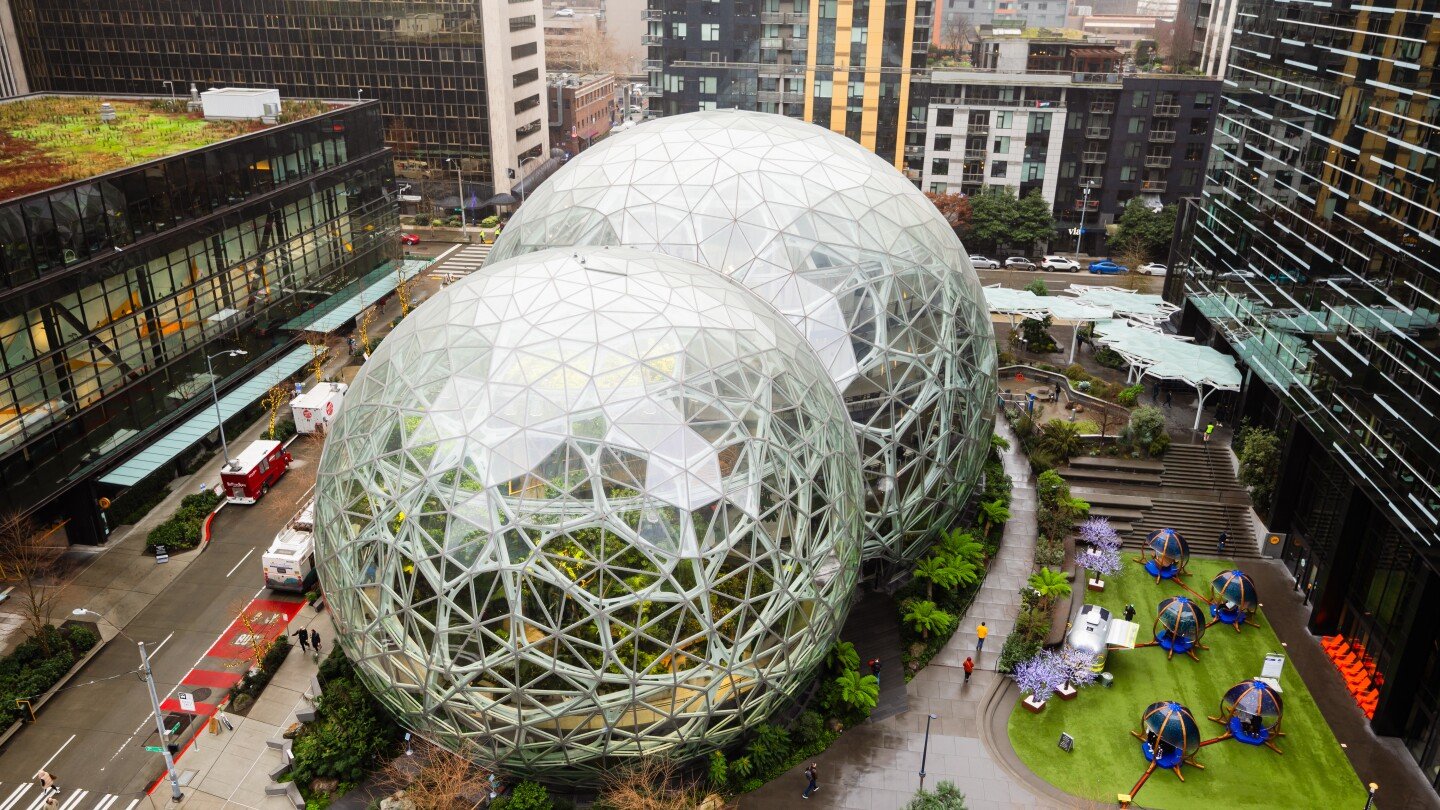
Modern interiors now prioritize daylight, ventilation, greenery, and natural materials as core design elements. Large windows, indoor gardens, water features, and organic forms are no longer limited to luxury projects. Offices, homes, hotels, and educational spaces increasingly apply these principles to create healthier environments. According to global real estate data, buildings with biophilic features achieve rental values 6 to 8 percent higher than conventional interiors.
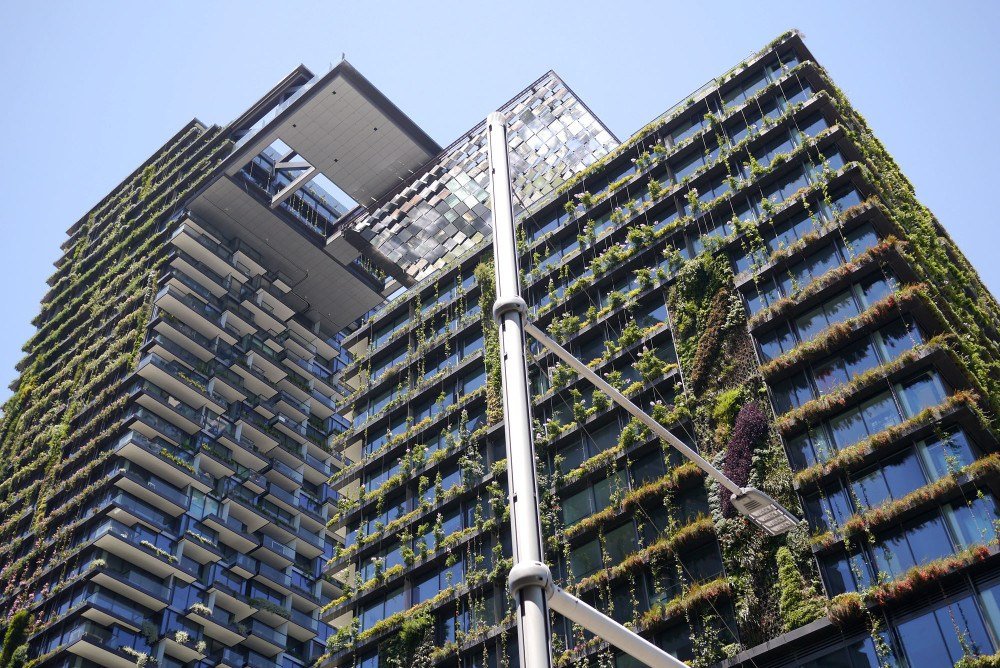
Material choices also reflect this evolution. Designers favor wood, stone, clay, lime plaster, and low VOC finishes due to their sensory and environmental benefits. Research indicates that natural materials can lower heart rate and improve focus within minutes of exposure. This scientific backing has positioned biophilic design as a long term direction rather than a short lived trend.
The influence of global design thinking is visible across emerging markets as well. International concepts are adapted into regional practices such as interior design in Bangladesh and interior design in Chittagong, where climate responsive layouts, shaded interiors, and natural ventilation align seamlessly with biophilic principles. This demonstrates how global interior architecture evolves through shared knowledge while respecting local conditions.
Technology has further accelerated this shift. Smart lighting systems now mimic natural daylight cycles, improving sleep quality by up to 25 percent. Advanced ventilation combined with plant systems can reduce indoor air pollutants by nearly 30 percent. These integrations position biophilic interiors at the intersection of design, health, and performance.[2]
As interior architecture moves forward, the focus is no longer limited to visual appeal or spatial efficiency. The industry now measures success through wellbeing, sustainability, and long term value. Biophilic interior design represents a defining chapter in the global evolution of interiors, proving that spaces designed with nature in mind are not only more beautiful, but measurably better for the people who use them.