
Byzantine and Early Medieval Styles: Mosaics, Basilicas, and Fortified Interiors
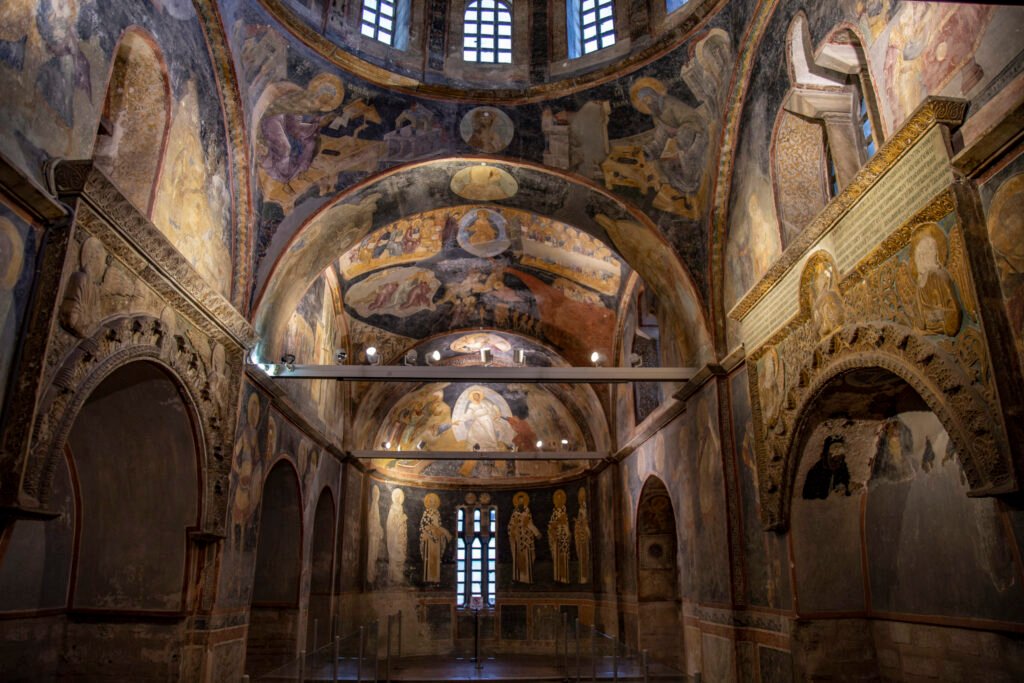
Byzantine and Early Medieval architecture, spanning roughly from the 4th to the 12th centuries, laid many of the foundational principles that continue to inform architectural and interior design thinking today. Emerging from the transformation of the Roman Empire and shaped by religious, political, and social change, these styles introduced new ways of organizing space, using materials, and shaping interior atmosphere.
For contemporary homeowners, architects, and interior designers in Bangladesh; especially those interested in classical, heritage, and timeless architectural styles; Byzantine and Early Medieval design offers valuable lessons. Even an interior design firm in chittagong working on modern residential or institutional projects can draw from these historical precedents to create spaces that feel grounded, meaningful, and enduring.
Overview of the Byzantine and Early Medieval Periods
The Byzantine period developed after the establishment of Constantinople as the eastern capital of the Roman Empire. While it inherited Roman engineering expertise, it transformed architectural expression through Christian symbolism, centralized planning, and a heightened sensitivity to light and interior experience. Architecture was no longer only about structural achievement; it became a vessel for spiritual meaning.
In contrast, Early Medieval architecture in Western Europe evolved during a time of political fragmentation and insecurity. As centralized Roman authority declined, buildings became more defensive and utilitarian. Churches, monasteries, and castles emphasized durability, enclosure, and functional spatial planning. Despite their differences, both periods valued craftsmanship, material honesty, and architecture as a reflection of cultural values.
Together, these traditions form a crucial chapter in historical architecture, bridging classical antiquity and later Gothic and Renaissance developments.
Byzantine Architecture and Interior Design
Historical Background
Byzantine architecture matured between the 5th and 7th centuries, reaching its peak under Emperor Justinian. Architects combined Roman construction techniques—arches, vaults, and concrete—with new spatial ideas rooted in Christian theology. The interior, rather than the exterior façade, became the primary focus.
Buildings were designed to inspire awe and contemplation. Structural innovation allowed for larger, more unified interior spaces that emphasized verticality and symbolic geometry.
Development of Basilicas
The basilica, originally a Roman civic building, was adapted into a Christian church type. Byzantine basilicas typically featured a long central nave flanked by side aisles, terminating in an apse. Clerestory windows above the aisles allowed light to enter the nave, illuminating the interior from above.
Over time, Byzantine architects blended the basilica form with centralized plans, resulting in hybrid structures where longitudinal movement and central focus coexisted. This combination allowed for both ceremonial procession and immersive spatial experience.
Structural Innovations: Domes and Vaults
The defining structural achievement of Byzantine architecture was the dome. Through the use of pendentives and squinches, circular domes could be placed over square or rectangular spaces. This innovation transformed interior design by creating vast, uninterrupted volumes beneath soaring ceilings.
Domes symbolized the heavens and served as focal points for interior decoration. Vaults and arches distributed structural loads efficiently, allowing interiors to feel expansive despite heavy masonry construction.
Light, Color, and Spatial Atmosphere
Light was treated as a material in Byzantine interiors. Windows placed at the base of domes and along clerestories filtered daylight into the space, creating a soft, diffused glow. This interplay between light and structure enhanced the symbolic power of the interior, reinforcing its sacred character.
Mosaics: Art, Craft, and Meaning
Materials and Techniques
Mosaics were among the most distinctive elements of Byzantine interior design. Composed of small pieces of colored glass, stone, and gold-backed tesserae, mosaics were carefully set into plaster surfaces on walls, vaults, and domes.
Artisans intentionally angled each tessera to catch and reflect light, creating shimmering surfaces that changed throughout the day. Gold backgrounds were especially prominent, producing a luminous effect that dissolved the boundaries between architecture and ornament.
Religious and Cultural Symbolism
Mosaics were not merely decorative; they were visual theology. Figures of Christ, the Virgin Mary, saints, and angels were arranged according to strict symbolic hierarchies. Placement within the interior mattered deeply—domes, apses, and vaults carried different theological meanings.
Gold symbolized divine presence, while deep blues, reds, and greens conveyed spiritual depth and transcendence. The frontal, timeless portrayal of figures emphasized eternity rather than realism.
Influence on Interior Wall and Ceiling Design
Byzantine mosaics transformed entire interiors into narrative environments. Walls and ceilings functioned as continuous visual fields, enveloping occupants in imagery and meaning. This concept continues to influence heritage interior design today, particularly in spaces that aim to create emotional resonance rather than minimal neutrality.
Basilicas: Spatial Planning and Interior Character
Layout, Scale, and Function
The basilica layout was designed to accommodate large congregations while maintaining a clear spatial hierarchy. The nave served as the primary gathering space, guiding movement toward the altar and apse. Side aisles supported circulation and secondary functions.
Proportion played a crucial role. Tall naves and rhythmic column spacing created a sense of order and dignity, reinforcing the ceremonial nature of the space.
Columns, Arches, and Clerestory Lighting
Columns and arches structured the interior rhythm of basilicas. Often reused from Roman buildings, columns carried both structural and symbolic value. Arches unified the interior visually, while clerestory windows introduced light high above eye level, drawing attention upward.
This combination of vertical emphasis and controlled illumination remains influential in contemporary sacred architecture and large public interiors.
Interior Proportions and Decorative Elements
Despite their scale, basilica interiors were carefully balanced. Decorative elements—mosaics, marble panels, carved capitals—were concentrated at focal points rather than spread evenly. This selective ornamentation enhanced the sense of hierarchy and guided visual attention.
Early Medieval and Fortified Interiors
Transition from Roman Influence
As Roman authority weakened in Western Europe, architectural priorities shifted. Buildings became more defensive, reflecting social instability and the need for protection. Classical refinement gave way to structural pragmatism.
Churches, monasteries, and castles shared common characteristics: thick walls, heavy masonry, and limited openings.
Castles, Monasteries, and Fortified Buildings
Early Medieval interiors were shaped by fortification. Walls were massive, windows were narrow, and ceilings were often low or vaulted. Interiors prioritized security, warmth, and durability over visual richness.
Great halls served multiple functions, acting as living, dining, and ceremonial spaces. Monastic interiors emphasized simplicity and discipline, aligning with spiritual ideals.
Materials and Natural Textures
Stone, timber, and iron dominated Early Medieval interiors. Surfaces were often left exposed or minimally finished, allowing the inherent texture of materials to define the space. Decorative carving appeared sparingly, usually on capitals, doorways, or altars.
This emphasis on material honesty resonates strongly with modern architectural values.
Interior Atmosphere and Materiality
Light Control and Acoustics
Early Medieval interiors controlled light carefully. Small windows reduced heat loss and enhanced defensibility, resulting in dim, contemplative spaces. Candlelight and firelight played a major role in shaping interior atmosphere.
Vaulted ceilings and stone walls produced resonant acoustics, reinforcing the ceremonial and communal functions of halls and churches.
Surface Treatments and Ornamentation
Unlike Byzantine interiors, Early Medieval spaces relied less on surface decoration. Whitewashed walls, rough stone, and simple timber elements created restrained interiors where structure itself became the primary visual language.
Furniture and Built-In Elements
Furniture was minimal and often built into the architecture—stone benches, wooden tables, raised platforms. These elements reinforced the permanence and solidity of the space.
Influence on Contemporary Interior Design
Modern architects and interior designers continue to reinterpret Byzantine and Early Medieval principles in subtle, thoughtful ways. Vaulted spaces, arched openings, mosaic-inspired surfaces, and rich material palettes appear in contemporary residential, hospitality, and institutional projects.
In Bangladesh, designers often adapt these ideas through locally available materials such as stone, brick, and handcrafted tile. An interior design firm in chittagong might incorporate arched niches, textured walls, or filtered natural light to echo medieval interiors while maintaining modern comfort.
The key lies in balance—using historical inspiration without imitation. Byzantine richness can inform color and texture, while Early Medieval restraint can guide spatial clarity and material choice.
Conclusion
Byzantine and Early Medieval architecture demonstrate that timeless design is rooted in structure, craftsmanship, and atmosphere rather than surface trends. These styles prioritized spatial meaning, material integrity, and emotional experience—values that remain deeply relevant today.
From luminous mosaic-clad domes to austere fortified halls, these traditions offer enduring lessons for contemporary architecture and interior design. For those seeking heritage interior design that transcends time and geography, Byzantine and Early Medieval principles continue to provide a rich and meaningful foundation.